CentralUSQuake.org

GETTING
READY
Are you ready? Do you have a plan?
Planning for your recovery before an earthquake occurs.
Did you know earthquakes are not covered under your regular homeowners insurance policy? Take these steps to learn more about earthquakes and plan for your family's recovery.
Your homeowners policy does not cover damage from an earthquake. Earthquake coverage must be purchased separately, called an "endorsement" or a stand-alone policy. This type of insurance requires that the earthquake is the direct cause of damage to the property. Natural disasters can, in many instances, trigger other events that may also damage property. One example is earthquakes causing bodies of water to produce waves, resulting in flooding.
Earthquake coverage pays for damage caused by the shaking and cracking that can damage homes and other structures. Other damage indirectly caused by earthquakes may be covered by other insurance. Fire and water damage due to burst gas and water pipes - even though a quake may cause it - is generally covered by the standard portion of the homeowners policy. The comprehensive portion of auto policies covers earthquake damage to vehicles.
Earthquake insurance usually features two high deductibles: Rather than a dollar amount, it's a percentage of the cost of rebuilding the home and a separate deductible for the home's contents. Deductibles of 10-20 percent are common. For example, with a 20 percent deductible, the owner of a $200,000 home could expect to pay up to $40,000 in deductibles for damage to the dwelling before receiving any benefit from their earthquake insurance policy.
For more information about earthquakes or earthquake insurance, visit your state’s Department of Insurance website:
Alabama
Arkansas
Illinois
Indiana
Kentucky
Mississippi
Missouri
Oklahoma
South Carolina
Tennessee
For more information about earthquake preparedness, visit your state and/or local Emergency Management Agency website:
Alabama
Arkansas
Illinois
Indiana
Kentucky
Mississippi
Missouri
Oklahoma
South Carolina
Tennessee
If a major earthquake happens, are you prepared?
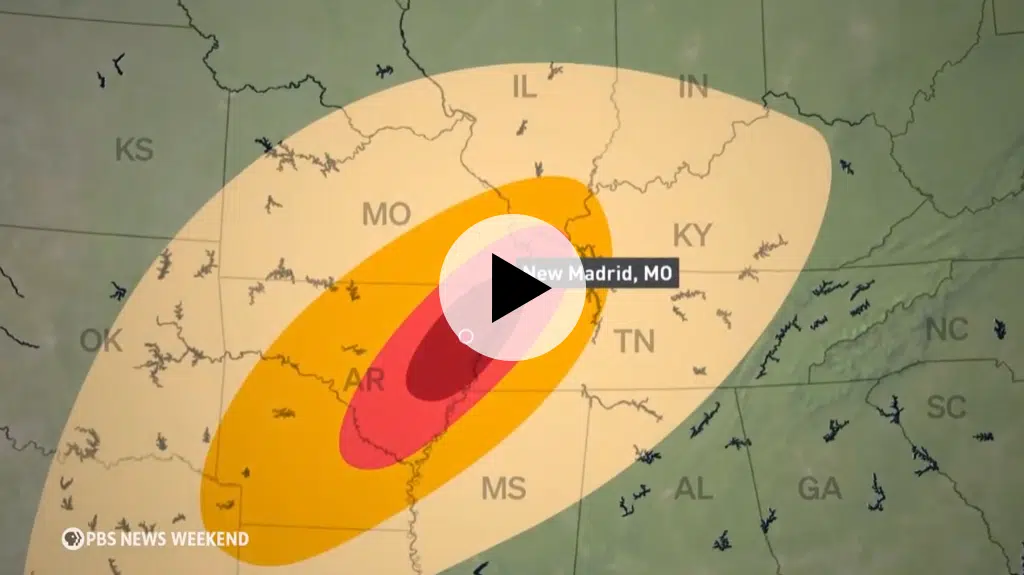
Although your state may not immediately come to mind when thinking about earthquakes, a major fault line runs through the Midwest. A study by the U.S. Geological Survey estimates the probability of a magnitude 7.5 or greater earthquake in the New Madrid seismic zone over the next 50 years is 7-10 percent. The probability of an earthquake exceeding magnitude 6 over the same period is 25-40 percent. A joint assessment by the Mid-America Earthquake Center of the University of Illinois and the Federal Emergency Management Agency predicts the New Madrid event could constitute the highest total economic loss of any natural disaster in U.S. history.
No matter what type of disaster you face, it is critical that every family has a plan for both readiness and financial recovery following that event. Whatever that plan may be, it’s important for consumers to know about what options they may have and what issues need to be considered to adequately prepare for an earthquake. Your homeowners policy does not cover damage from an earthquake. Earthquake coverage must be purchased as separate coverage, called an "endorsement" or as a stand-alone policy. Check with your insurance agent to see if you have this coverage in place.
Are you ready? Do you have a plan? If not, you may want to explore the information provided to determine what you need in order to be prepared.
Informational PDFs
NAIC Report
Preparedness Comic Book
Insurance Shopping Guide
Missouri DCI Earthquake Insurance Report
How To Prepare
Earthquakes occur with no warning, that is why it is important to prepare. Follow these tips and sign up for the ShakeOut earthquake drill. The drill occurs annually on the third Thursday of October.
Earthquake FAQ




This information is provided as a collaborative effort among eight member states and two associate states with the Central United States Earthquake Consortium (CUSEC), as well as the National Association of Insurance Commissioners (NAIC). Originally established by the Missouri Department of Commerce (DCI) & Insurance and the Missouri State Emergency Management Agency (SEMA).
© 2026 centralusquake.com